

In March 2026, the Federal Reserve Bank of Dallas published Working Paper 2607 — the first rigorous causal assessment of how the 2021–2024 unauthorized immigration surge affected American labor and housing markets.
The findings were significant. The press coverage was not.
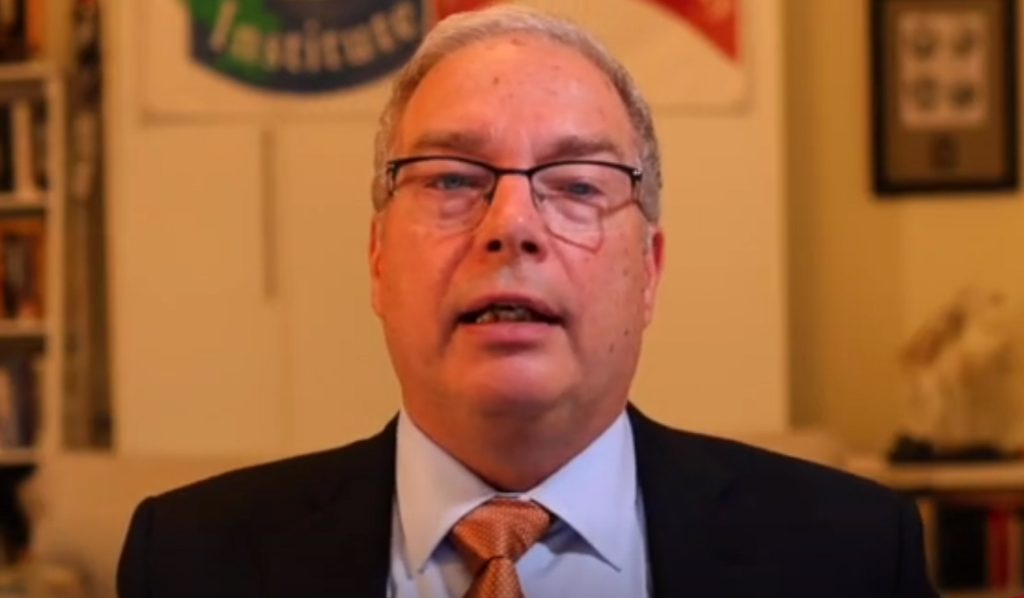
I analyzed the research and built this presentation to explain what the data actually shows — in plain language, with full sourcing, and without the ideological filter that typically distorts this conversation.
What this video covers:
- 00:00 — Introduction
- 03:04 – The unprecedented scale of the 2021–2024 surge — 7 million net arrivals in three years
- 04:32 – The causal methodology — why this study is different from prior research
- 09:05 – Employment effects — the 0.96 multiplier and what it conceals
- 11:32 – Wage suppression — the -0.87% finding and why it matters
- 14:38 – The supply myth — what the permit data actually shows
- 21:49 – The fiscal picture — transfers, welfare enrollment, and the incomplete ledger
- 27:50 – What the mainstream narrative gets wrong
- 29:49 – Policy implications — and what enforcement data proves
Key findings from Wilson & Zhou (2026), Federal Reserve Bank of Dallas WP-2607:
→ Home prices: +2.2% per 1% unauthorized immigrant worker flow increase
→ Rents: +1.4% per 1% unauthorized immigrant worker flow increase
→ Wages: -0.87% per 1% unauthorized immigrant worker flow increase
→ New housing supply response: statistically zero
→ UIWF explains ~30% of home price growth and ~20% of rent growth at the average metro
Sources:
- Federal Reserve Bank of Dallas Working Paper 2607 — Wilson & Zhou, March 2026
https://doi.org/10.24149/wp2607 - CBO Demographic Outlook 2026–2056
- Zillow Home Value Index & Observed Rent Index
- BLS Quarterly Census of Employment and Wages
- BEA Regional Economic Accounts
- Camarota & Zeigler (2026), Center for Immigration Studies
About the Institute for Sound Public Policy:
The Institute for Sound Public Policy (IfSPP) produces research, analysis, and advocacy on employment visa programs, offshoring, and labor market policy affecting American workers.
Visit us on Social Media:


USTW
IfSPP
