|
Dear {name}:
There is a faculty older than literacy, older than formal education, older than the institutions we have been built to certify intelligence. Our grandparents called it horse sense. The Romans called it prudentia. It is the capacity to pause before trusting, to ask not merely what you are being told but who benefits from your believing it.
For generations it was unremarkable. The farmer sizing up a land deal, the union man reading the company's offer, a pioneer deciding the materials to build a house from — these were people for whom bad judgment carried immediate and concrete costs. They could not afford the luxury of signaling. They needed to think.
We have lost something in their passing.
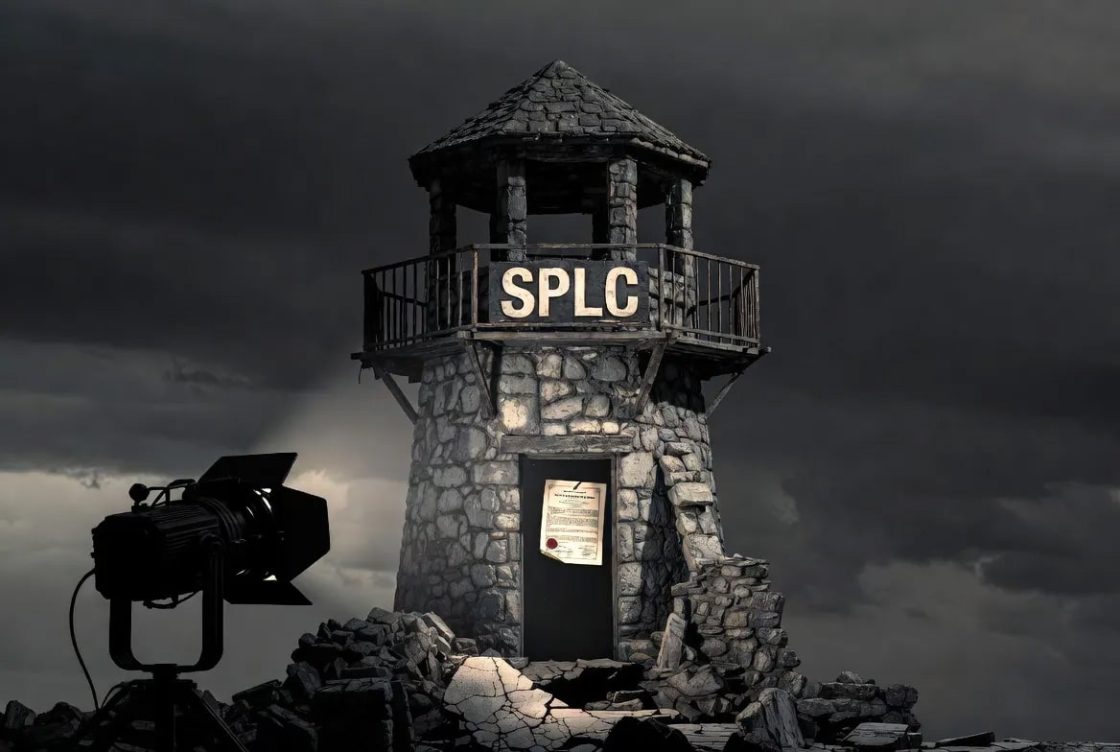
The Southern Poverty Law Center was founded in 1971 with a genuine mission — civil rights litigation on behalf of people who had none. In its early years it did real work. But somewhere along the way the mission became secondary to the machinery. Morris Dees and his colleagues discovered something more reliable than justice: fear is fundraising.
The formula was elegant in its cynicism. Identify threats. Amplify them. Monetize the anxiety of people who wanted to believe they were fighting hatred from the comfort of a checkbook. By the 1990s, journalists sympathetic to the mission were already raising alarms. Harper's Magazine ran a devastating exposé in 2000. Former employees described a culture of racial discrimination within the organization ostensibly devoted to fighting it. The financial disclosures showed hundreds of millions accumulating in offshore accounts while the urgent fundraising letters kept arriving.
Thousands of decent Americans kept writing checks.
They were not stupid. Many were educated, earnest, and genuinely motivated by good values. What they lacked was not intelligence but the habit of asking cui bono — who benefits? Not from the hatred the SPLC claimed to fight, but from the fear of it. Not from the solutions they promised, but from the problem remaining perpetually unsolved.
The recent revelations have added new dimensions to an already damning picture. The organization that positioned itself as the gold standard of moral authority was, beneath the surface, something considerably less. The gap between the signal and the reality was vast. And the people who paid for that gap were the donors who trusted, not the executives who collected.
This is not a story about the Left. It is a story about signaling mistaken for thinking.
The signal said: this organization fights hatred, therefore supporting it makes you a person who fights hatred. That felt true. It felt good. It substituted for the harder question: is this organization actually fighting hatred effectively, or is it farming your moral anxiety for institutional profit?
Signaling is not thinking. And someone always pays.
The cost here was measured in dollars and misplaced trust. In other contexts — trade deals sold as prosperity, immigration policies sold as compassion, wars sold as liberation — the costs have been measured in livelihoods, communities, and lives.
All this said, the faculty we have lost is recoverable. It does not require a degree. It requires only the willingness to ask, before you believe, before you donate, before you march: who benefits from my believing this?
Not who claims to benefit. Not who performs the right values. Who actually benefits, in whose account does the money land, whose power is protected by your compliance.
Our grandparents knew this without being taught it. They knew it because the world was not insulated enough to let them forget. Today, we have built enough insulation in the form of freedom from immediate consequences that forgetting became possible.
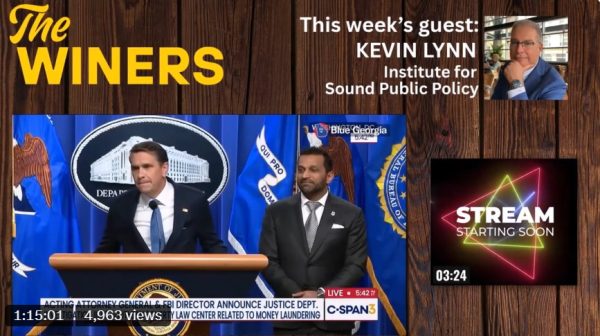
And that should be the key take away from this SPLC business.
Onward,

Kevin Lynn
Executive Director, Institute for Sound Public Policy
Founder, U.S. Tech Workers
|